

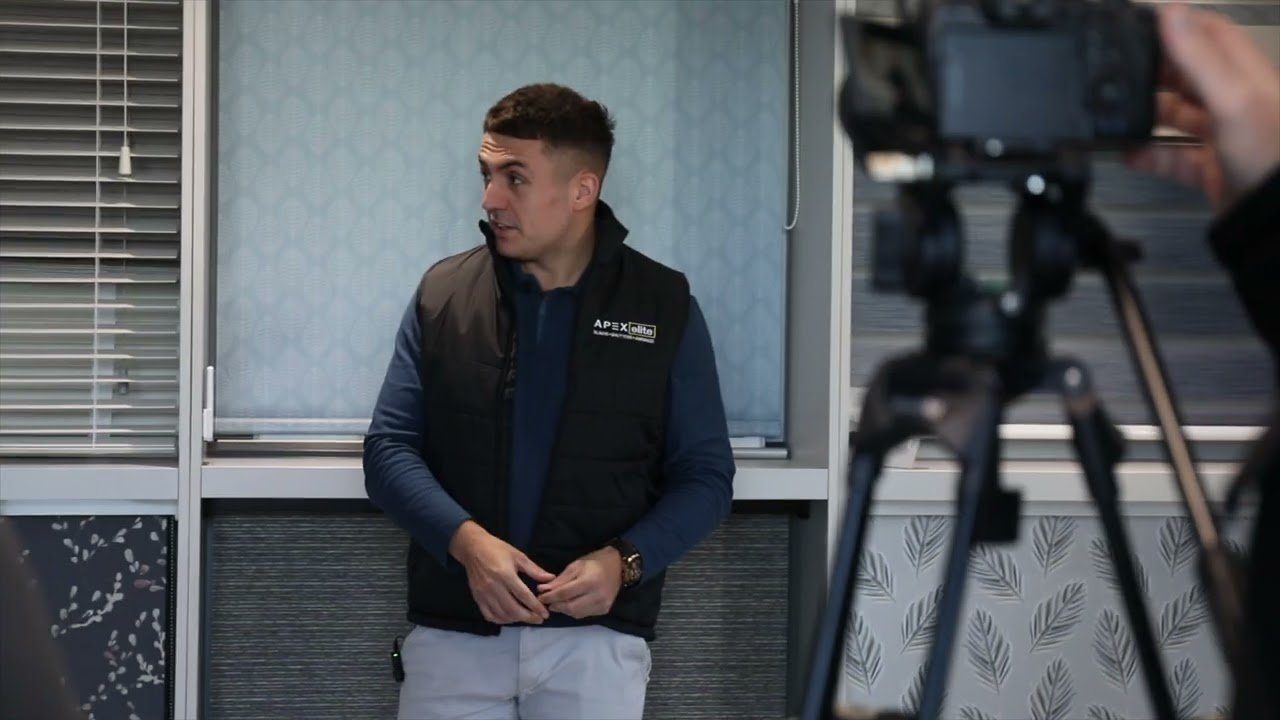
+130%More clicks from search in a year
What we didWebsite, SEO and an ongoing content programme — photography, video and reels shot in their own showroom, and the site built around what people actually search for.
Apex Elite Blinds
Director
Interactive, content led blogs for businesses in Belfast and across Northern Ireland. You built it. We make sure the right people hear about it, written for the customers you want to win in the places they search from, structured for the engines you want to climb, and the AI answers you want to be the source of. Scroll, and watch one post work two ways.
We build and rank content for brands across legal, interiors, hospitality, fitness, trades and packaging. Every post is researched against real Belfast and Northern Ireland search data and written in plain UK English.
Your customer in Belfast asks a question. The answer appears before they ever reach a website. We make sure it is built from yours.
A well built blog post does not just sit in a list of links. It earns the click in search, and it feeds the answer an AI engine gives back directly. Toggle between the two surfaces to see what each one rewards.
Illustrative exampleyourbrand.co.uk › blog › small-business-website-cost-belfast
A clear breakdown of what goes into a website price in Belfast in 2026, from template builds to bespoke design, with a simple cost estimator and the questions to ask before you brief a local agency.
For most small businesses in Belfast in 2026, a website falls into three brackets: a template build, a customised theme, or a fully bespoke design. The biggest cost drivers are the number of bespoke pages, custom functionality, and the depth of content and SEO work involved. yourbrand.co.uk A clear brief on pages and features is the fastest way to get an accurate quote.
The blogs we build are written to win both. Same post, two surfaces.
A single blog rarely moves the needle. We build clusters of content that answer the questions your Belfast customers ask, refined month on month against what is actually ranking and being cited.
We map the questions your customers actually ask in Belfast, and the gaps your local competitors leave, using real search data rather than guesswork.
Direct answers up top, clean semantic HTML, local business schema markup and a clear point of view, so readers and AI engines can both follow it.
Calculators, comparisons, data and motion that turn a page that is read into a page that is used, kept and shared.
We track positions, citations and engagement, then refine. The content earns its place and keeps earning it.
Behind the technical work, content does three simple things. It gets you found in local search, it gets you quoted by AI, and it turns visits into enquiries.
Your pages rank for the questions your customers actually type, so the right people land on your site.
Your content becomes the source AI engines pull from when they answer a question, with your name on it.
Useful, trusted content earns the click and turns readers into real leads for your business.
Website, SEO and an ongoing content programme — photography, video and reels shot in their own showroom, and the site built around what people actually search for.
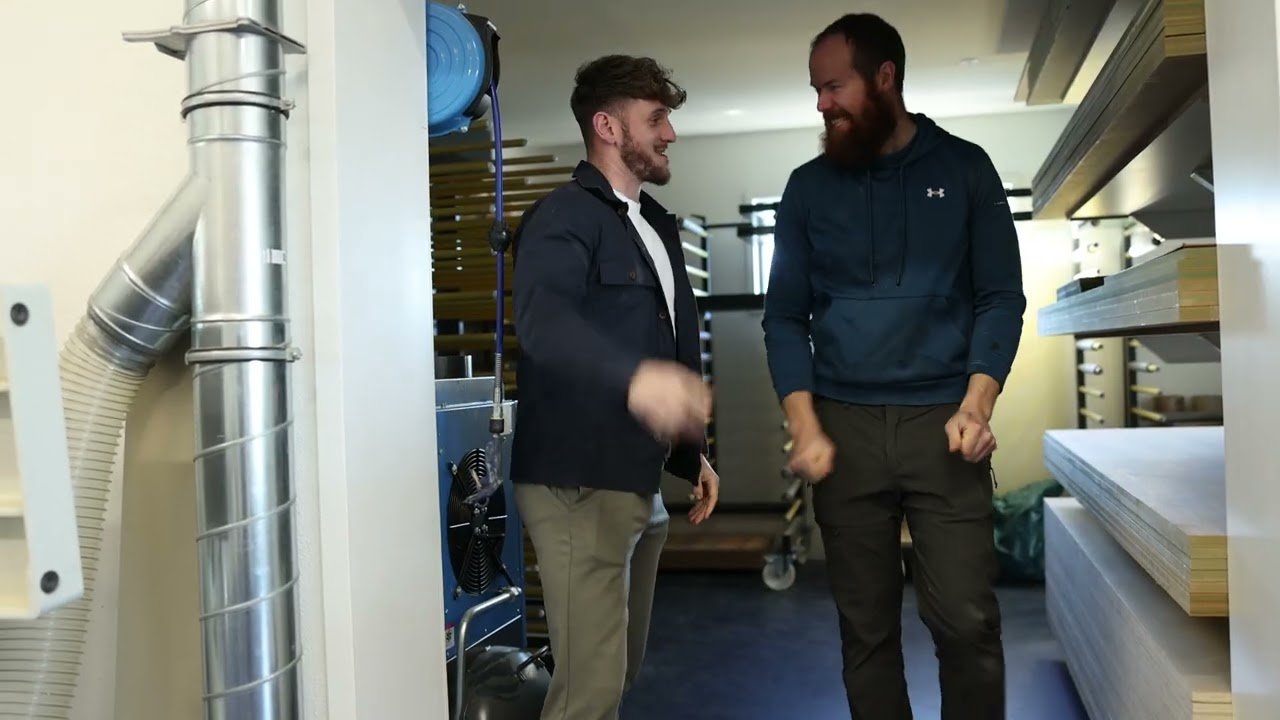
Website build for a bespoke kitchen and furniture maker, with photography and video throughout and a minimal layout that lets the craftsmanship carry the page.
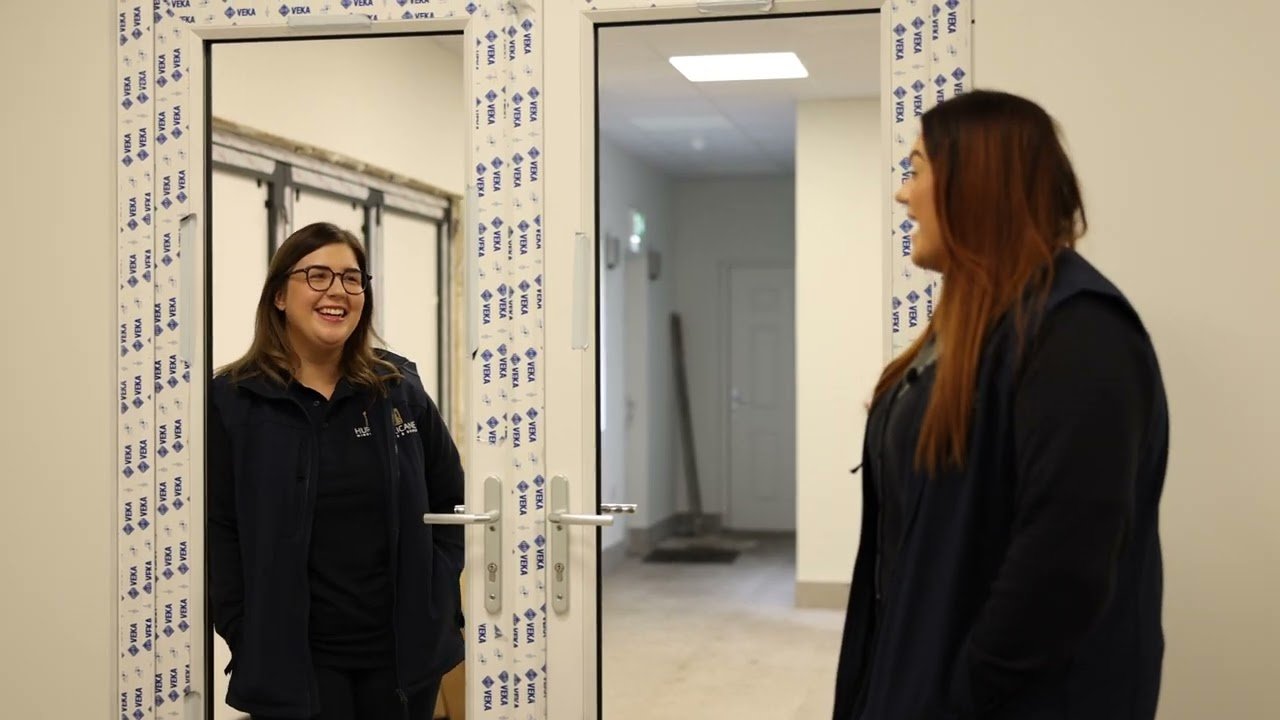
Website build for a family-run window and door manufacturer, with the full range structured so each product can be found on its own terms, plus photography, video and social.

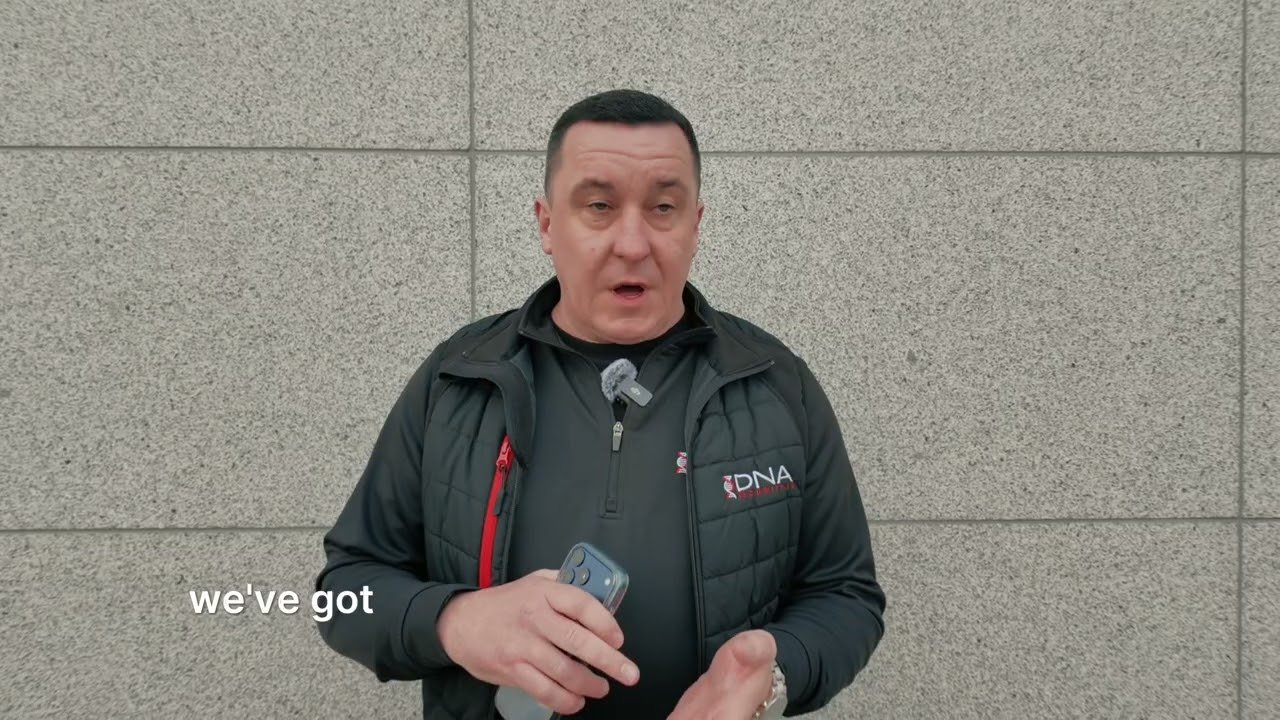

Measured in client analytics over a twelve month period.
Search work across a technical product range, with each product line given room to rank on its own terms instead of sitting inside one catch-all page. All of it earned, none of it paid for.
Yes. Our studio is in Lisburn, a short drive from Belfast city centre, so you can meet us in person rather than briefing an account manager somewhere else. We work with businesses across Belfast and Northern Ireland, and the SEO is local by design: your area, your customers and the searches they actually type.
Near me searches are answered from three places: your Google Business Profile, your website, and the signals that connect them. We make sure your site says clearly where you work and who you serve, mark it up with local business schema, build pages for the areas you cover, and write content that answers what Belfast customers ask. The profile and the reviews stay yours, and we show you how to keep them working.
GEO is the practice of structuring and writing content so that generative AI systems, such as Google's AI Overviews, ChatGPT, Gemini, Copilot and Perplexity, can understand it, trust it and cite it in their answers. It sits alongside traditional SEO rather than replacing it.
SEO focuses on ranking a page in a list of links. GEO focuses on becoming the source an AI system quotes when it answers a question directly. Both reward clear structure, credible evidence and well organised content, so the same well built blog post can serve both.
Interactive, useful content tends to hold attention for longer and earns more links and shares, which are signals search engines respond to. Just as importantly, clear structure and direct answers make a post easier for both readers and machines to parse.
Self contained factual statements, clear definitions of who and what you are, structured data such as FAQ and Article markup, visible sources and dates, and clean semantic HTML all make a page easier for an AI system to read and reference.
Content works hardest when the site around it is built to match.
028 9002 1444 · hello@hashtagmediagroup.co.uk · 8 Enterprise Crescent, Lisburn, BT28 2GN
Let's talk
Leave your details and one of the team will be in touch.